Why SSL Certificate Are Essential for Every Website 2026
Why SSL Certificates Are Non-Negotiable for Every Website in 2026
In 2026, having a website without an SSL certificate is like a front door that is left wide open. SSL is not just for big online stores anymore. Every website needs an SSL certificate. This includes personal blogs and company pages.
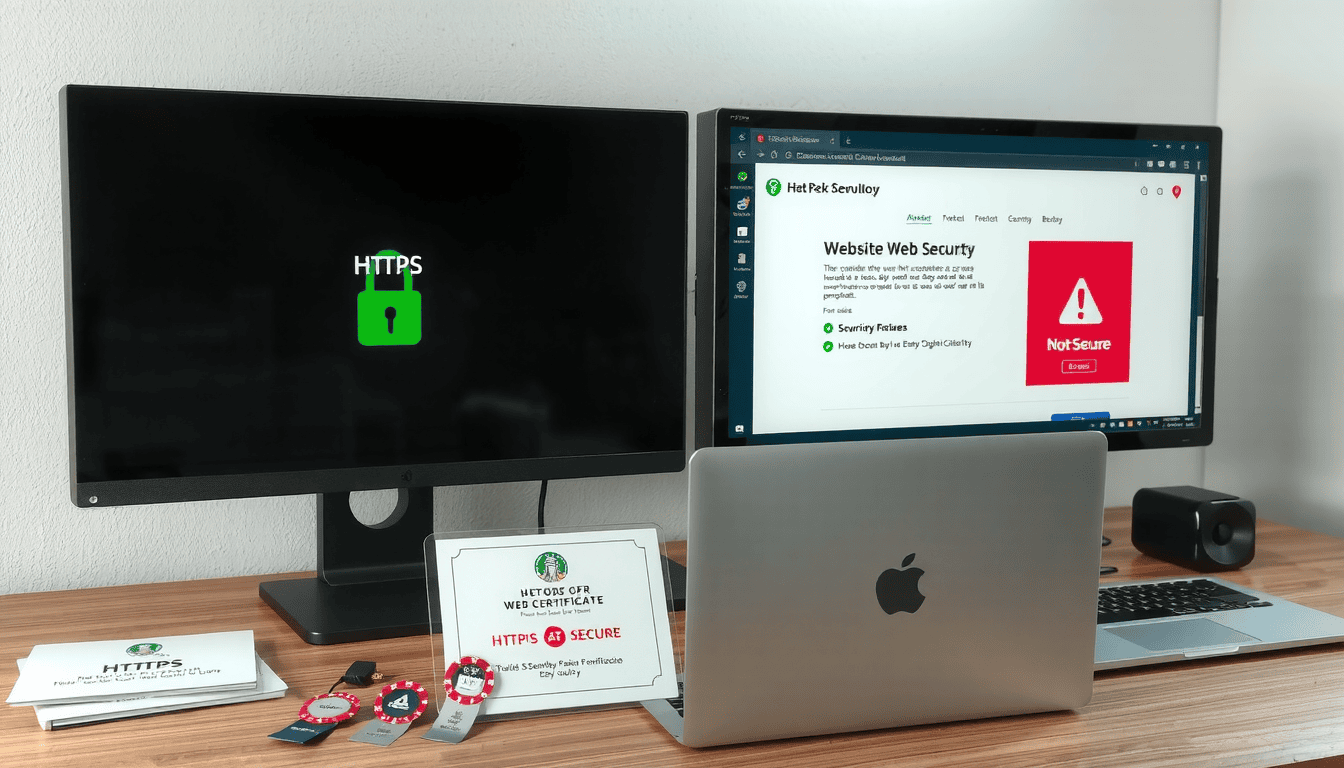
SSL certificates play a crucial role in the following three areas of web development: Security, Trust, and SEO (Search Engine Optimization). This document will introduce SSL and its functions and will explain why SSL certificates are essential for every website in today's electronic period.
Key Takeaways
- An SSL certificate creates a secure, encrypted connection between a visitor's browser and your website.
- Sites without SSL will be marked as "Not Secure" by browsers like Google Chrome and Firefox. This scares visitors away.
- SSL protects not just payment transaction info but also all other data including contact form submissions.
- Google considers HTTPS as a ranking factor. Using it can help your website score higher in search results.
- An SSL builds trust and also makes the user feel confident. This can lead to higher conversion rates.
First, What is an SSL Certificate? A 60-Second Primer
An SSL certificate is like a digital passport that certifies that your site is genuinely yours.
Its main task is to create a secure, encrypted link between a user's web browser and your site's server. Encryption scrambles the data. Only the user and your website can understand it.
You can see the signs of an SSL certificate in your browser's address bar. You typically observe a small padlock icon. Furthermore, the web address starts with https://. Modern browsers now show a "Not Secure" warning for any site that does not have one. This is a clear message to visitors that they are surfing an unsecure site.
So here is a simplified explanation of the differences:
- HTTP: This is plain text. It is not secure. Browsers will show a warning.
- HTTPS: This is encrypted text. It is secure. It shows a padlock and builds up user trust.
The Core Reasons Why SSL Certificates are Essential
Understanding why SSL is so important helps you see it as a key part of your online strategy. The benefits are clear. They impact your site's security, reputation, and growth.
1. Unbreakable Data Security & Integrity
The first and topmost reason to get an SSL certificate is security. It protects the information that travels between your visitors and your website.
SSL scrambles data into an unreadable code as it moves across the internet. This includes information like names and email addresses from contact forms. It also includes login details. This process is called encryption. It makes it impossible for a malicious person to have a "man-in-the-middle" attack through which data can be stolen.
An SSL certificate also provides authentication. It is vouched for by a trustworthy institution called a Certificate Authority (CA). This process makes sure that the end user is on the website's genuine server, not one that is maliciously set up by a scammer. As experts note, SSL certificates confirm that your website is exactly what it claims to be. This helps prevent phishing. Phishing is when fake sites try to steal user information.
Finally, SSL allows the integrity of data. This is to say that the information you send really carries information in the same form and no changes are made along the path.
2. Building Unshakeable User Trust & Brand Credibility
Trust is the key factor on the net. An SSL certificate is one of the most assured ways to earn it.
The padlock icon and https:// prefix are quite a strong visual message. They effectively convey to your customers that you care about their safety. This little thing can significantly change the perception of your brand.
Browsers like Google Chrome and Mozilla Firefox actively punish sites without SSL. They exhibit a big "Not Secure" warning next to the web address. This warning can cause a visitor to leave your site without a second thought. This increases your bounce rate and jeopardizes your website reputation.
In 2026, having an SSL is a basic sign of being professional. A site without one looks outdated, unprofessional, and untrustworthy. As many sources agree, SSL Certificates build trust. This trust is the foundation for any successful online presence.
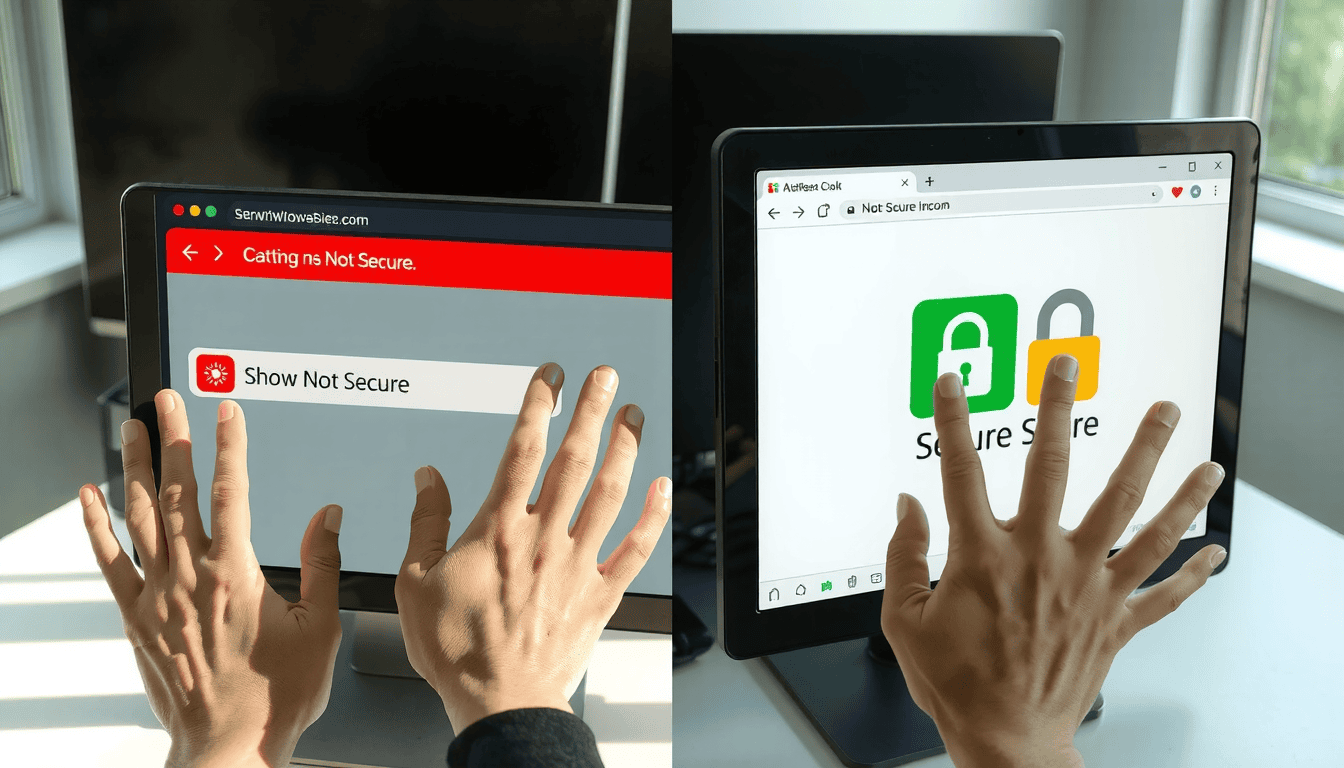
3. Fueling Business Growth & SEO
Besides security and trust, an SSL certificate gives a direct hand to your business growth.
Google has repeatedly stated that HTTPS is a beneficial ranking signal. It may not be the most weighty factor. Nevertheless, it can be the tie-breaker that puts your website above a non-secure competitor in search results. It's evident that many search engines, especially Google, are supportive of websites that wear SSL certificates.
This boost in SEO is a key reason why an SSL certificate is essential for every website looking for more traffic.
With trust, you can also achieve more sales. A user feeling secure is more likely to take action. This could be filling in a contact form, signing up for your email list, or purchasing a product. The "Not Secure" warning kills the desired action. The padlock icon gives them the push.
Finally, if your website accepts payments, an SSL certificate is not a choice. It's a requirement that is in line with the Payment Card Industry (PCI) data security standards.
The Real-World Cost of an Insecure Website
The SSL positives are glaring, but what are the actual costs of not having one? The results are real and can be detrimental to your enterprise.
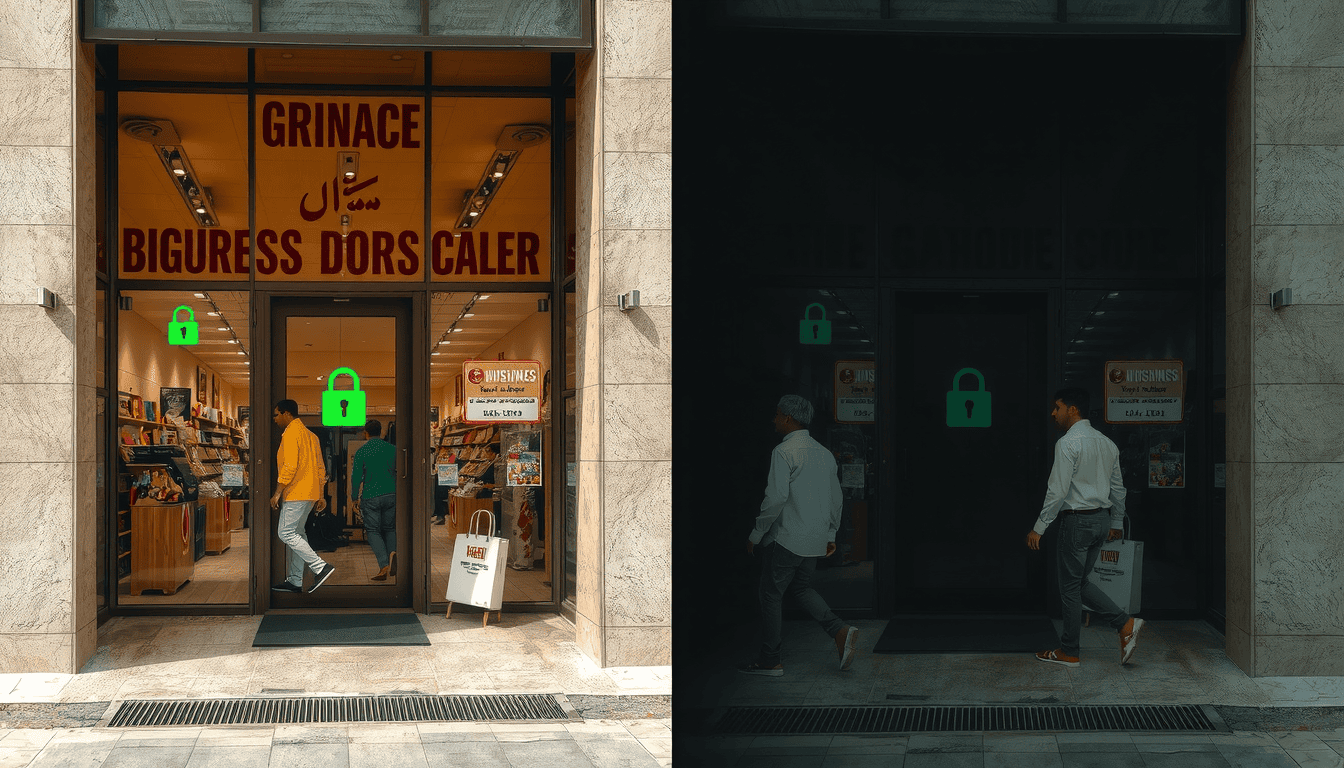
We have seen clients come to us after a sudden drop in leads and sales. In many cases, the problem was simple. Their SSL certificate had expired. The "Not Secure" warning appeared, scaring away 30-40% of their potential customers overnight. This shows why an SSL certificate is essential for business continuity.
The damage is beyond just one metric. An insecure site drags down everything. Penalties enforced by browsers and search engines are getting harder every day. They are demanding a 100% secure web.
Here's a comparison of how a secure site performs against an insecure one:
| Metric | Secure Site (HTTPS) | Insecure Site (HTTP) | The Real-World Impact |
|---|---|---|---|
| User Trust | High (Padlock visible) | Low ("Not Secure" warning) | Higher bounce rate, lower time on page. |
| Conversion Rate | Baseline | Potential 20-85% drop | Lost leads, sales, and sign-ups. |
| SEO Ranking | Positive ranking signal | Negative signal | Lower visibility in search results. |
| Data Security | Encrypted & Protected | Vulnerable to theft | Risk of data breaches, legal fines, and brand damage. |
| Brand Perception | Professional & Trustworthy | Outdated & Risky | Long-term damage to brand credibility. |
Recent investigation revealed that a considerable proportion of unencrypted web traffic comes from mobile devices. With so many people browsing on their phones, it becomes even more essential to secure your site and protect everyone.
Beyond the Padlock: How SSL/TLS Actually Works
You may hear the two words, SSL and TLS, used together. SSL (Secure Sockets Layer) is the original technology. TLS (Transport Layer Security) is the newer and safer version that has replaced SSL. However, the term "SSL" is still commonly used.
The process that is used to create a secure connection is known as the "SSL/TLS Handshake." This happens in a few milliseconds and is entirely invisible to the user.
Here is a simple breakdown of the steps:
- Step 1: The Hello: Your browser connects to a website and says "Hello." It asks the site's server to show its SSL certificate to prove its identity.
- Step 2: The Verification: Your browser checks the certificate. It makes sure the certificate is valid and has not expired. It also checks that it was issued by a trusted Certificate Authority.
- Step 3: The Key Exchange: Once the certificate is verified, the browser and the server securely agree on a secret "session key." This key will be used to encrypt all communication.
- Step 4: Secure Connection: With the secret key established, all data sent between your browser and the server is now encrypted. The connection is secure, and the padlock icon appears.
This handshake process is a core part of why SSL certificates are essential for every website. It guarantees both authentication and encryption.
Frequently Asked Questions (FAQ) about SSL Certificates
Here are answers to some common questions about SSL certificates.
1. Do I need an SSL certificate if my website doesn't have a login or payments?
Yes, definitely. An SSL certificate is essential for every website in 2026. It protects any data entered on your site, like in a contact form. It also helps build visitor trust and is a known Google ranking factor. Modern browsers will flag any site without https:// as "Not Secure," no matter its purpose.
2. What's the difference between a free and a paid SSL certificate?
For most websites, including blogs, portfolios, and small businesses, a free SSL certificate (like Let's Encrypt) offers the same strong encryption level as a basic paid one. It is perfectly fine for most needs. Paid certificates often include extra features, such as higher financial warranties, different validation levels that display your company's name in the certificate details, and direct customer support.
3. How do I get an SSL certificate for my website?
The easiest way is through your web hosting provider. Most good hosting companies now offer a free SSL certificate along with their hosting plans. Usually, they have simple, one-click installation processes from your hosting control panel (like cPanel or Plesk).
4. How can I check if my SSL certificate is working correctly?
Just visit your site in a browser. Look at the address bar for a padlock icon, and check if your URL begins with https://. You can also make use of free online SSL checker tools, which provide detailed information about your certificate's status, configuration, and expiration date.
5. What happens if my SSL certificate expires?
If your SSL certificate expires, browsers will instantly show a strong security warning to anyone who tries to visit your site. This warning states that the connection is not secure and can severely harm trust, causing visitors to leave. Most hosting providers offer auto-renewal for free certificates, but it is crucial to verify whether this feature is turned on and functioning correctly.
Conclusion: Making Your Website Secure is Non-Negotiable
The discussion is over. In 2026, an SSL certificate is a fundamental requirement for any website. The reasons why SSL certificates are essential for every website are simple, clear, and strong.
It's about more than just showing a padlock. It is about protecting your visitors' data and building a legitimate and trustworthy brand. It's also a matter of higher visibility in search engines.
Securing your website with an SSL certificate is one of the most basic and impactful steps you can take. It protects your visitors, your brand, and the future of your online business.